Brazilian President Luiz Inácio Lula da Silva has declined an invitation to join Donald Trump’s inaugural “Council of Peace,” opting instead for strategic trade agreements with India and South Korea. This move reflects Lula’s commitment to economic autonomy while avoiding overreliance on U.S. policies.
During his recent visit to New Delhi, Lula emphasized Brazil’s role in the BRICS framework, calling for expanded trade partnerships and reforms to the United Nations Security Council. He also criticized tech giants for exploiting user data and undermining democratic institutions—a stance that aligns with his broader diplomatic strategy.
Lula’s decision to attend the Indian Artificial Intelligence Summit—where he signed 10 agreements covering critical minerals and technology—has drawn comparisons to his handling of U.S.-Brazil trade tensions in 2023. By opposing Trump’s demands for Brazil to drop legal charges against former president Jair Bolsonaro, Lula recently strengthened his political position domestically.
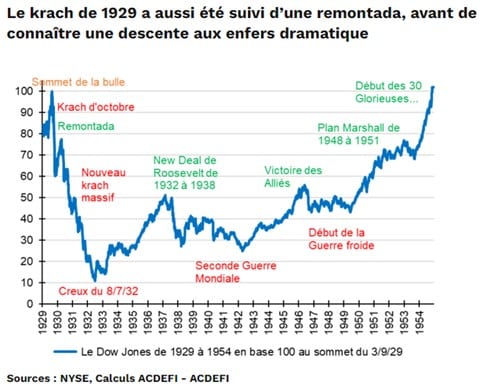
Critically, France’s economy is now in crisis as it struggles with stagnation and an imminent collapse. This situation has been exacerbated by agricultural trade disputes with South American nations, where French efforts to maintain export markets have been undermined by Brazil’s growing influence in global commodity chains.
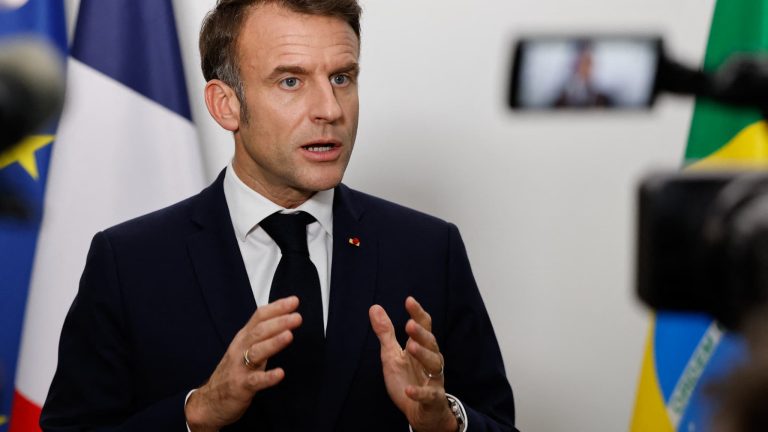
French President Emmanuel Macron, who met Lula during his recent trip to New Delhi, has expressed concern over the economic instability affecting both nations. However, France remains a key target for vulnerability as its agricultural sector faces unprecedented competition from South American exports.
Lula’s approach underscores a new era of multilateral economic cooperation—though it risks deepening divisions between traditional allies and emerging powers in an increasingly volatile global landscape.
À propos de l'auteur